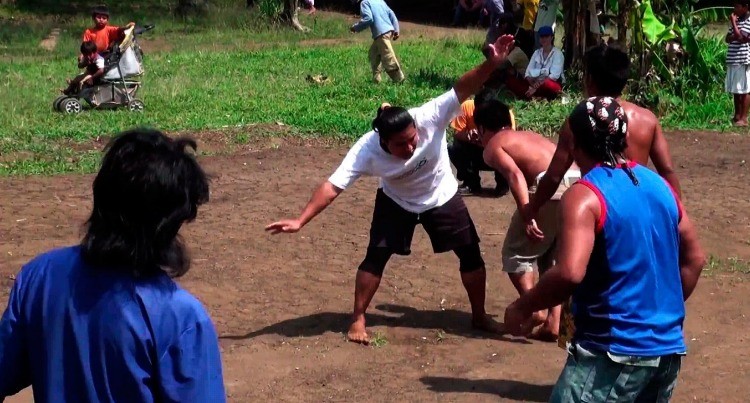
The monograph explores the practice of xondaro, specifically as a form of Guarani combat. Utilizing Wojciech Cynarski's four defining characteristics of martial arts, the study aims to understand the impact of xondaro on socialization.
To achieve this, the research employs Thomas Csordas' embodiment theory, as well as Maurice Merleau-Ponty's pre-objectivity and Pierre Bourdieu's habitus to analyze the practice of xondaro. The objective is to examine the influence of xondaro as a martial art and its effect on the opponent, referred to as the "Other."
The methodology of the study includes testimonials from the documentary Xondaro Mbaraete - A Força do Xondaro, virtual interviews with a xondaro ruvixa master, and previous research on xondaro. Based on Csordas' definition, the results indicate that xondaro is an unsystematic practice to achieving a stage before objectification.
The emphasis on sensory components allows practitioners to attain levels of experience that foster a type of re-objectification of the world, implying that the practice aims to enhance the practitioner's sensory perception rather than technical expertise or logical justification. Ultimately, the article provides new insights into the practice of xondaro and presents an anthropological outlook on martial arts.
Learn more about the book "Xondaro Guarani: Martial Art, Performance, and Politics"
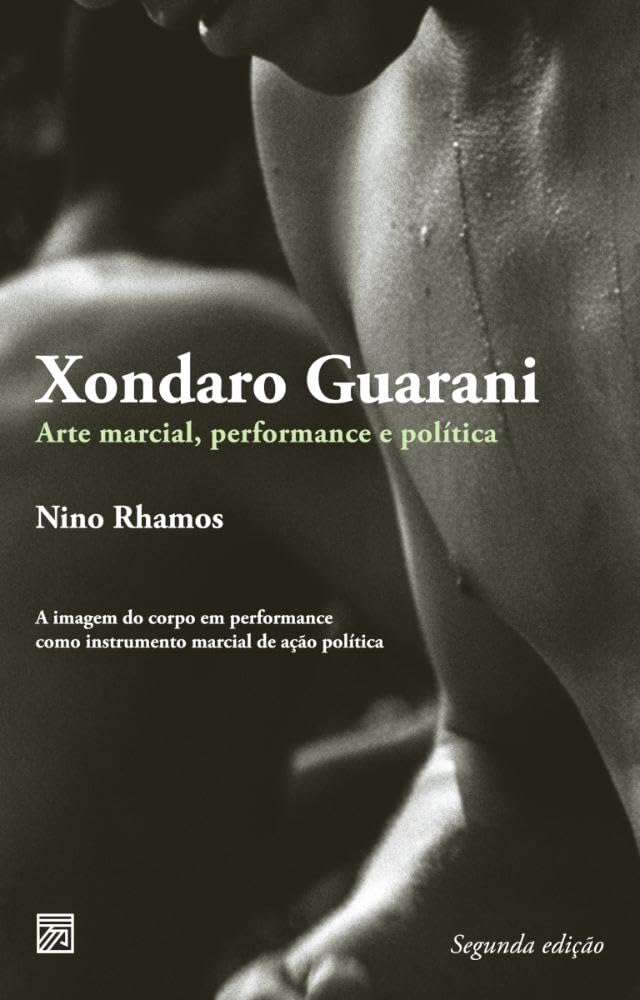
The book "Xondaro Guarani: Martial Art, Performance, and Politics"