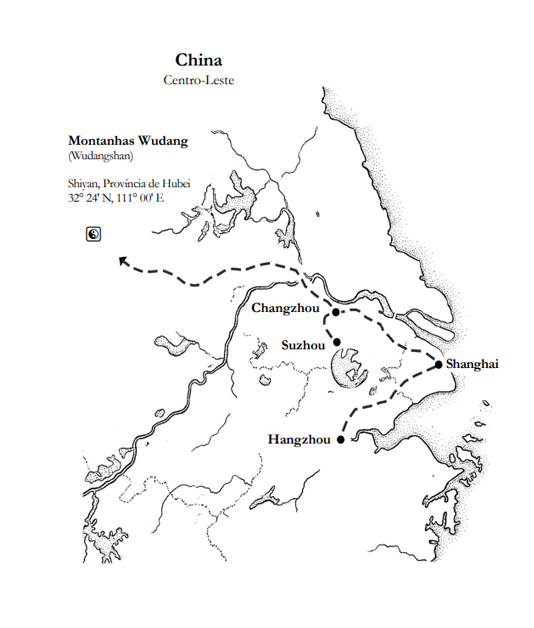
In "30 Years on the Mountain Path", Nino Rhamos takes us on a journey through facts and memories that challenge limits and cultural traps.
An essential account, not only about contemporary China, but for anyone who believes that traveling is not just moving the body, but rewriting one's own soul.
In "30 Years on the Mountain Path", Nino Rhamos takes us on a journey through facts and memories that challenge limits and cultural traps.
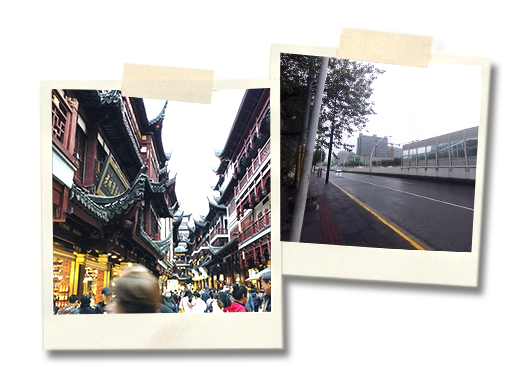
From the cosmopolitan and hypermodern streets of Shanghai to the ancient alleyways of Suzhou; from the surprising "social camaraderie" experienced in Changzhou's guesthouses to the exhausting and solitary challenge of climbing the endless steps of the sacred Wudang mountain.
However, the greatest discovery lies not only in geographical maps or academic enclosures, but in the continuous attitude of a sounding mountain that teaches the researcher that the place he spent his whole life searching for already had its home.
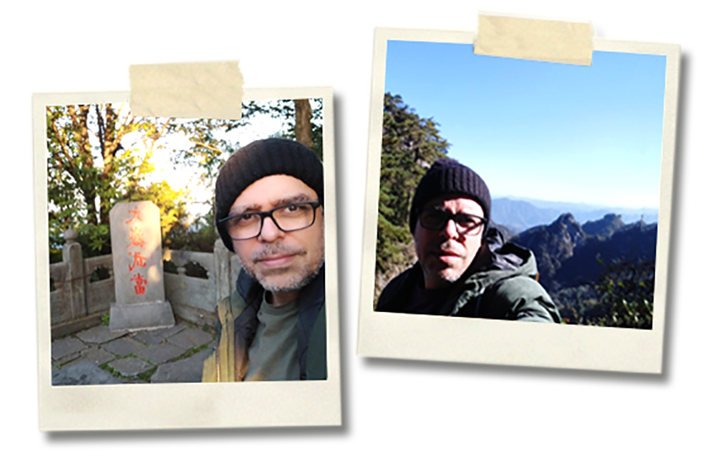
It was 30 years searching for those streets.
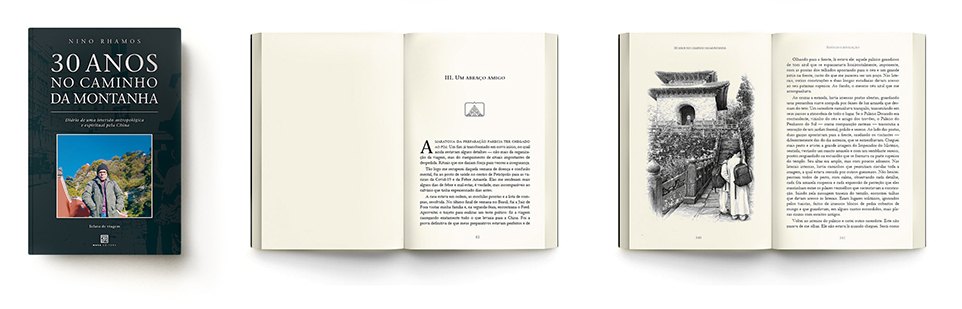
With an attentive ear to the precision of ethnographic observation and the poetic sensitivity of someone who allows himself to be transformed, the author unravels the complex web that unites the individual and the collective in Chinese society.